
St. Peter’s Front and Center
by Alan Bisbort
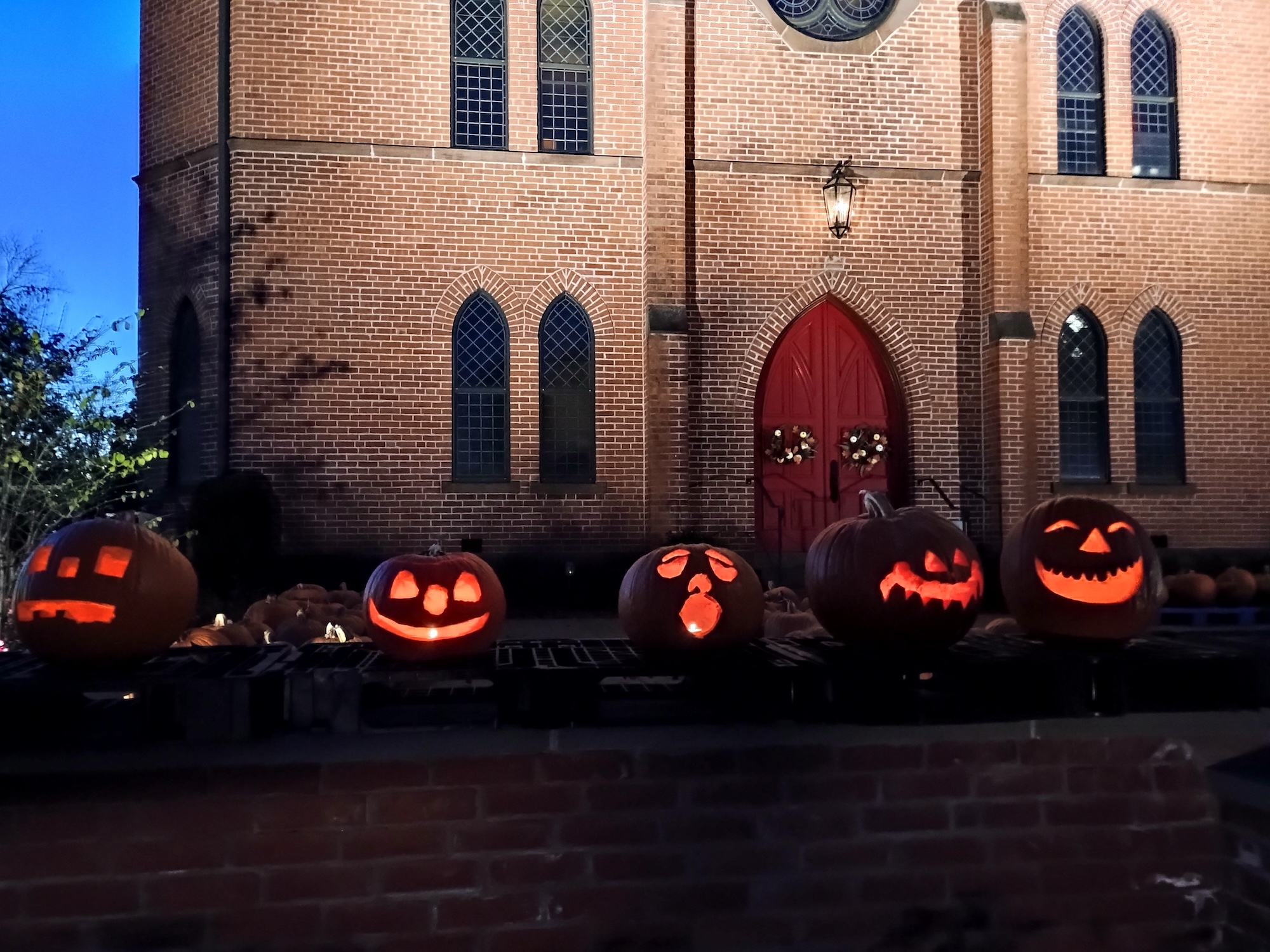
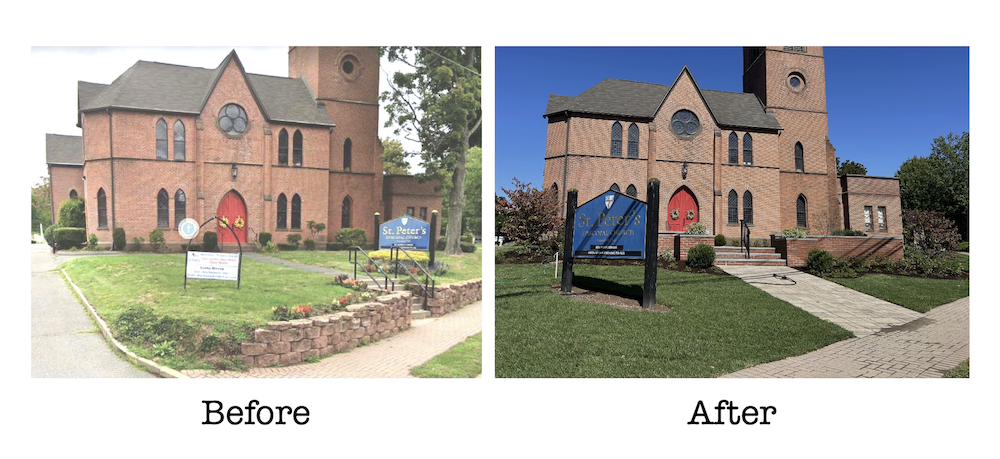
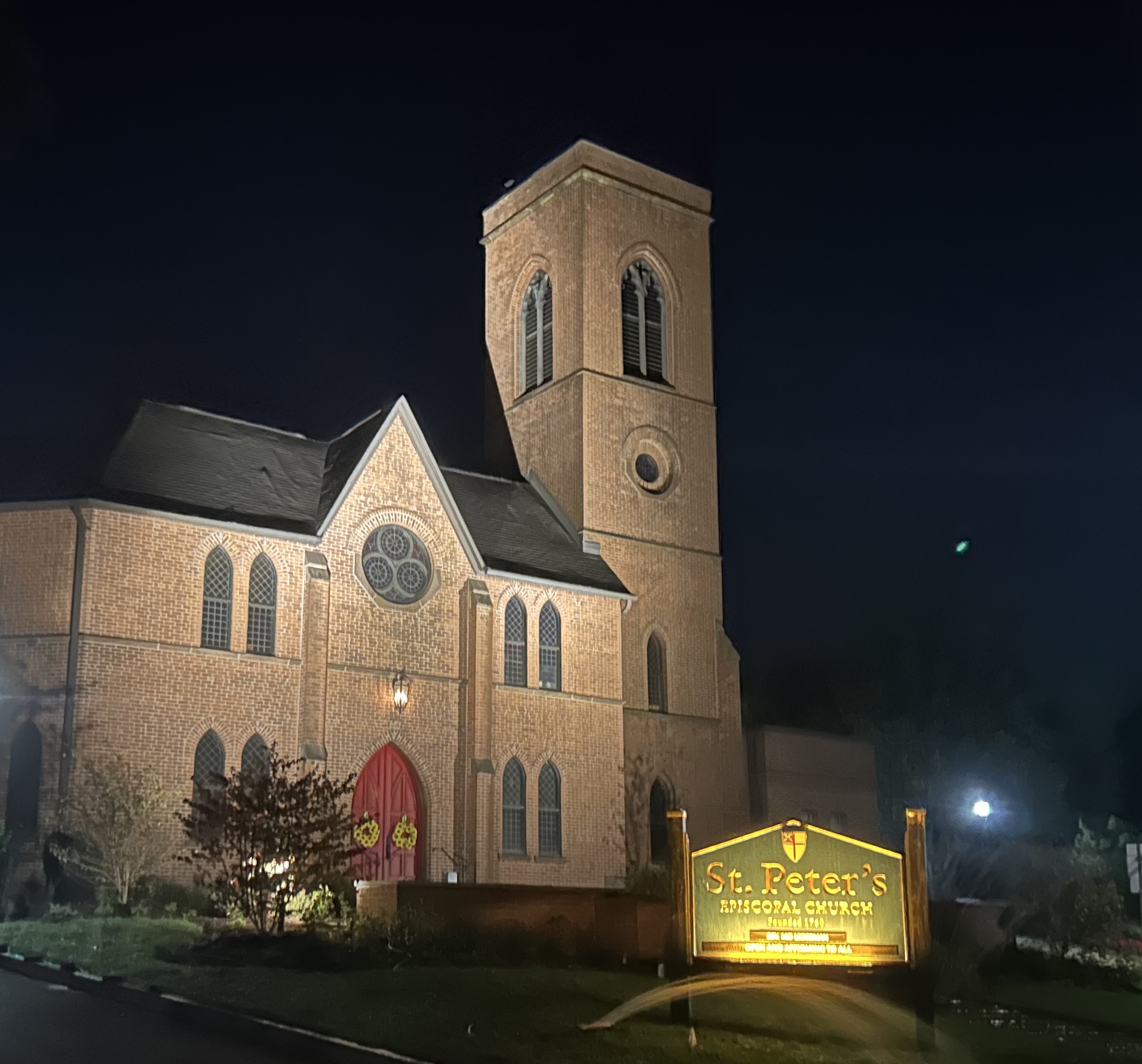
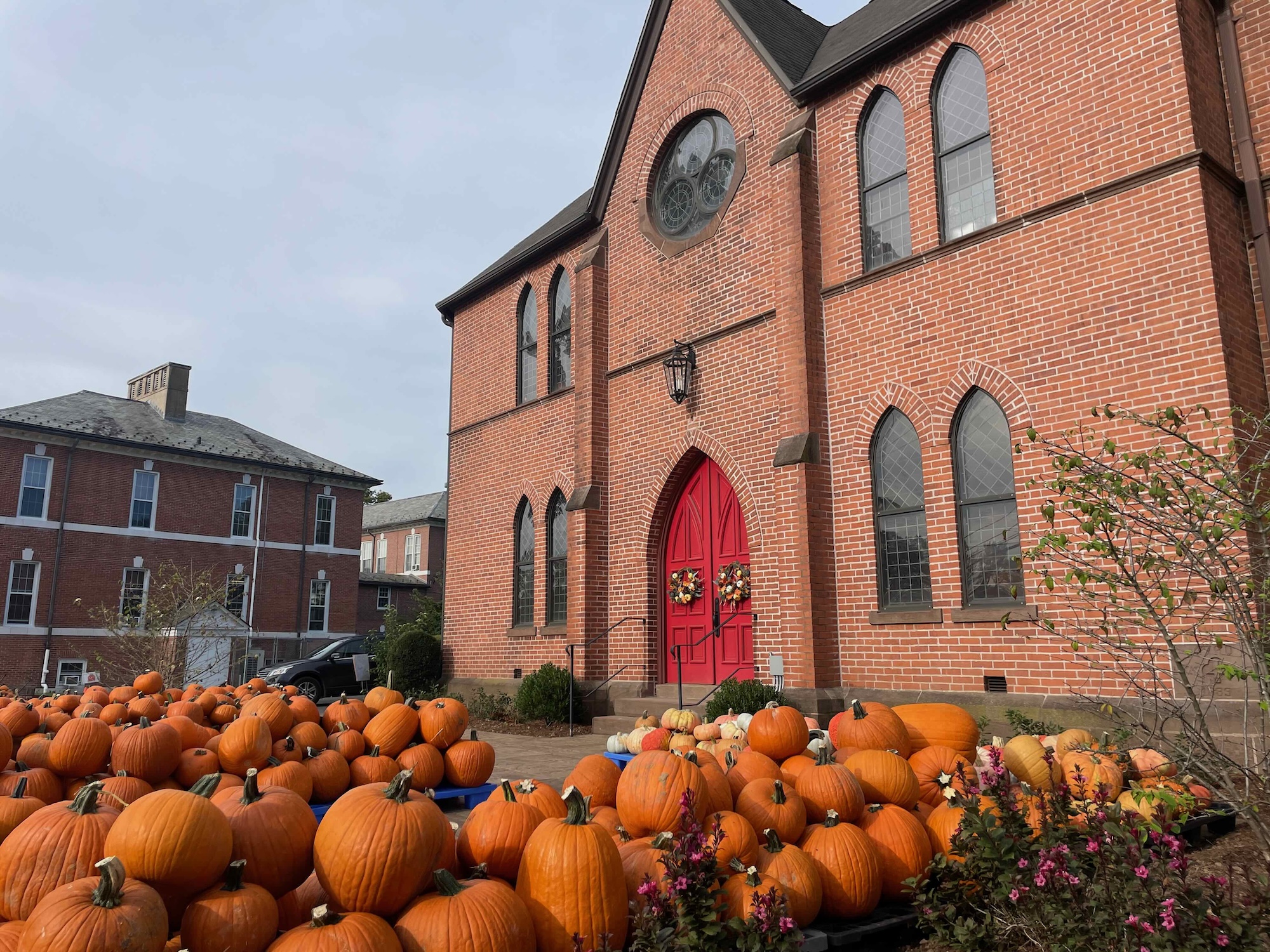
You may have noticed a new redesign of the front of St. Peter’s Episcopal Church has been completed. A new chapter opens for our beloved old church, and the positive reviews are already pouring in. The feedback we’ve received, from inside and outside the parish, has been as positive as it has been voluminous. People now say that they notice St. Peter’s when they pass by and not just, as in the past, during the autumn when the pumpkins arrive.
In that sense, the completed project serves as a reminder to all passersby that we are here and open to visitors year-round. As someone recently remarked, “We look like a church that cares.” This is in keeping with the spirit of Julia A. Humiston (1822-1912), whose trust—dedicated to “beautifying the town center”—made a significant donation towards the project.
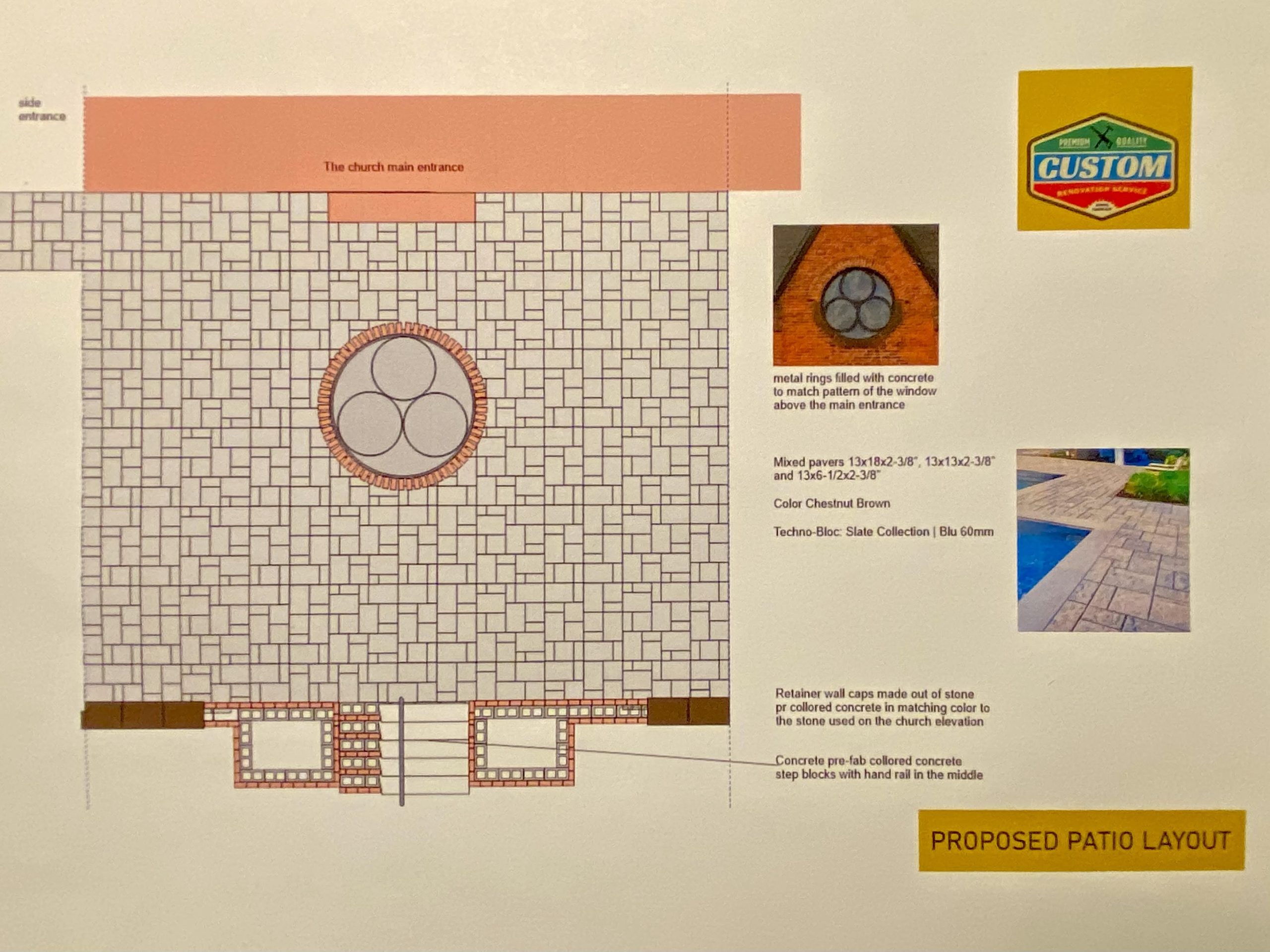
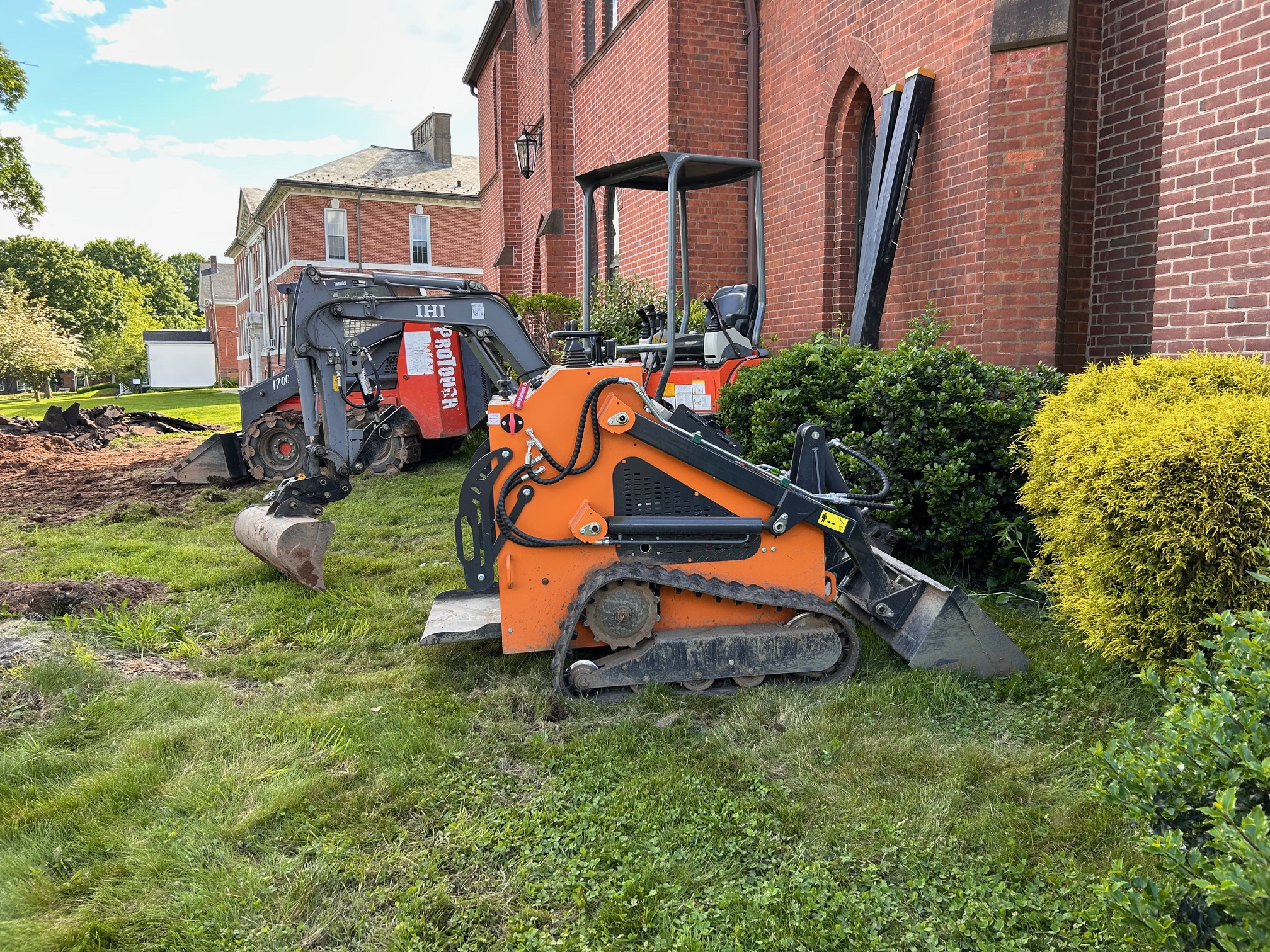
Now is a good time to take stock of what has been accomplished. The project, designed and overseen by our talented landscape architect/parishioner John Clarke and tirelessly facilitated by our junior warden Sam Dunlop, was not one for which we simply hired contractors, handed them a sketch and walked away. The project required John and Sam’s vigilant attention as unforeseen snags arose during the both the excavations of the old grounds and the construction of the new plaza, with its lovely, laid-in stone and inviting “sitting wall”—at 18 inches, it’s the perfect height for taking a seat and enjoying the view.
When John drew up his plans for the project, he was careful to “keep with the character and simple elegance of the church” and to “draw the eye in” toward the front of the building. Not only has the design done that, it has also made it easier and more inviting to enter the church from the front doors.
Among the other added features are new drainage systems to prevent any water problems and new spigots to facilitate watering and maintenance of the plantings. Electrical outlets were installed on the front of the church and at the front of the plaza, to allow for the use of sound systems or lighting at night, and spotlights which beautifully illuminate the front sign and the church itself.
The plantings were also carefully selected, with an emphasis on native vegetation. They all come with a two-year warranty from the supplier. Each species was chosen to play a role in the aesthetic design of the project, as well as to assist with drainage and prevent erosion, with the bonus of only requiring minimal maintenance. Four viburnum that will reach heights of 6-8’ feet and are designed to frame the courtyard area and the entrance way. Between the plaza and the building, winterberry will soften and add color to the brick front, stabilize soil and prevent erosion. Fragrant sumac, a mounding shrub, will have yellow flowers and red fruit in the spring, turning to orange and red in the fall. Along the corner slopes, Massachusetts kinnikinnick will serve as groundcover with pink flowers and red berries and stabilize the soil and prevent erosion. An area to the right of the front doors has been reserved as a possible future location for a pollinator pathway.
In short, St. Peter’s has a brand-new look, but the historic church retains its age-old connection to the community of Cheshire and beyond.
More about this project:
St. Peter’s Episcopal Church has been blessed to have generous parishioners, people for whom the church has been a lifelong anchor. St. Peter’s was blessed with a contribution from the Julia A. Humiston Trust in the amount of 10% of the construction costs for the project that is currently underway along Main Street. Read the story
This story talks about the project when it was in the initial planning stages.

St. Peter’s front – concept drawing
Concept drawing
Front project – patio design
Patio paver design
St. Peter’s Front Patio Project
Digging starts
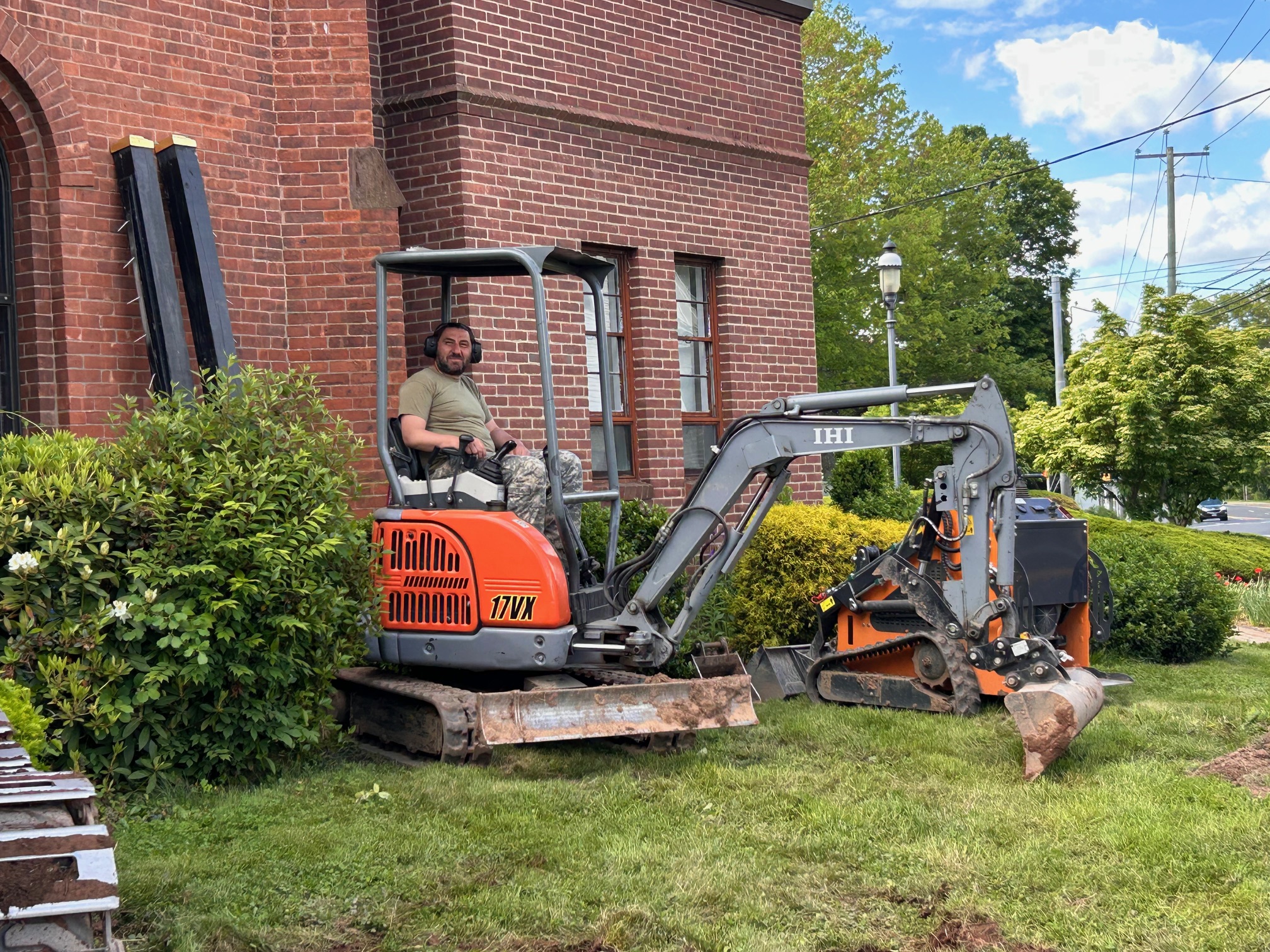
St. Peter’s Front Patio Project
Ready to dig!
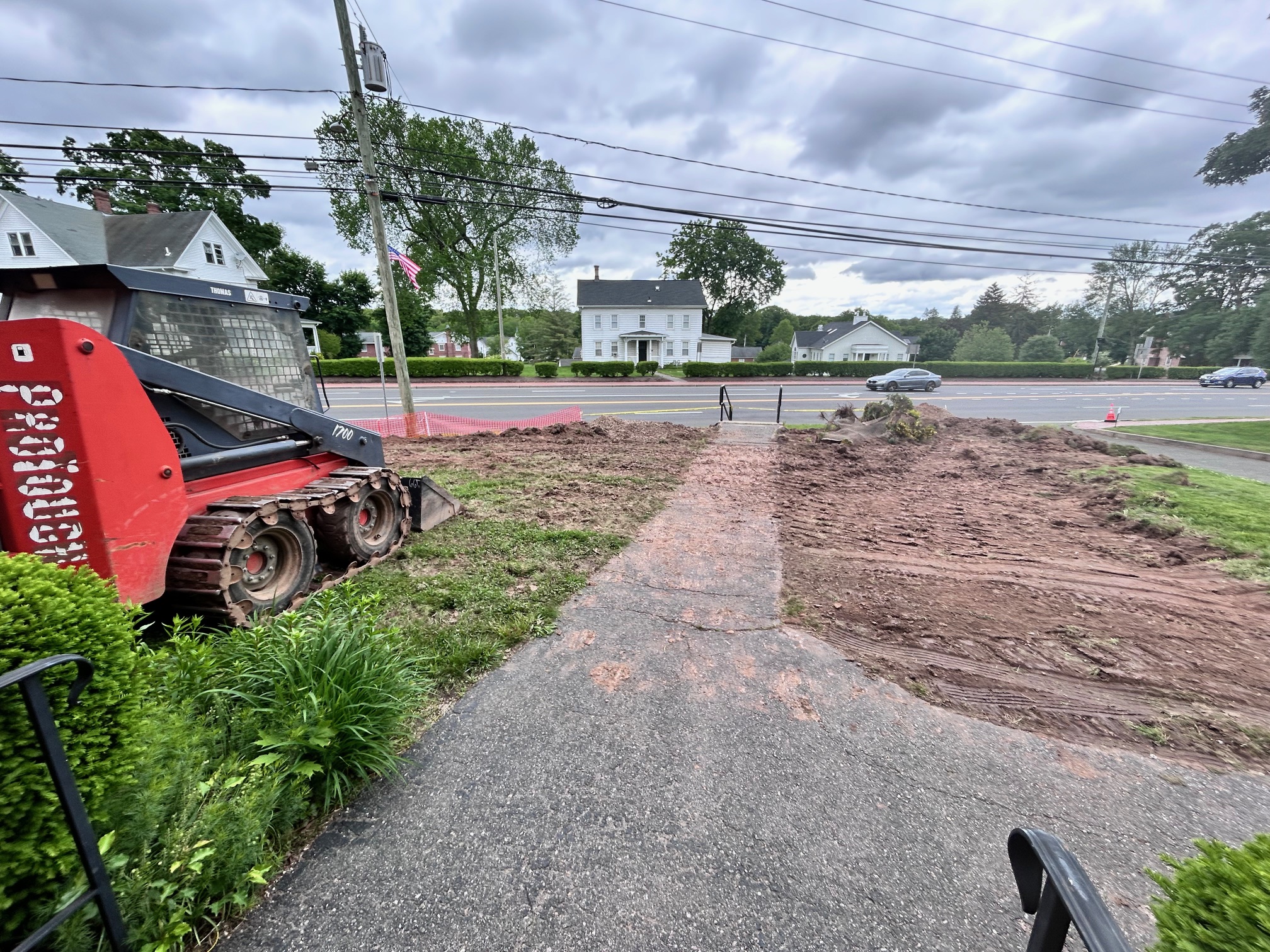
St. Peter’s Front Patio Project
View from front of St. Peter’s onto Rt 10
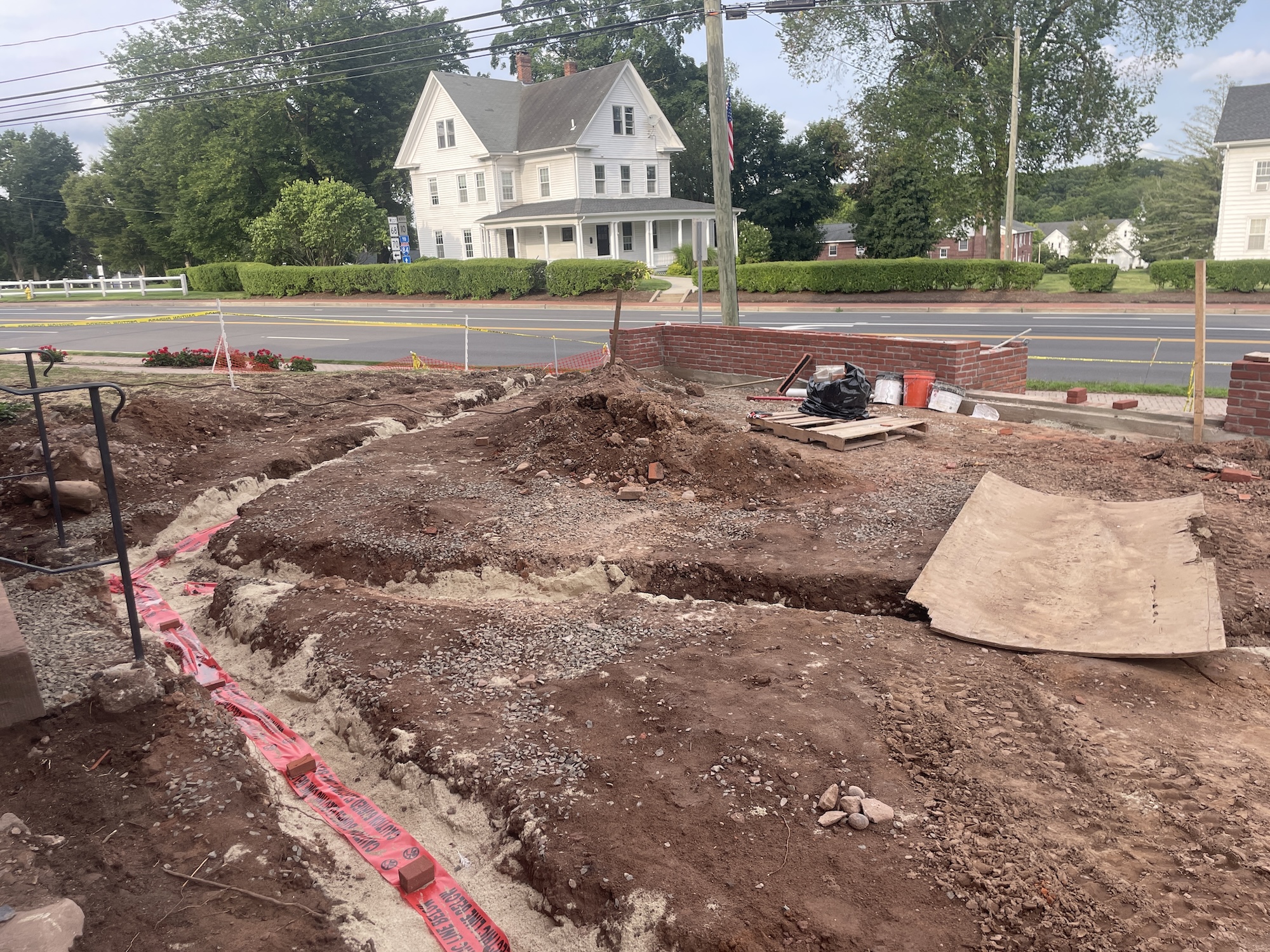
St. Peter’s Front Patio Project July_2 2025
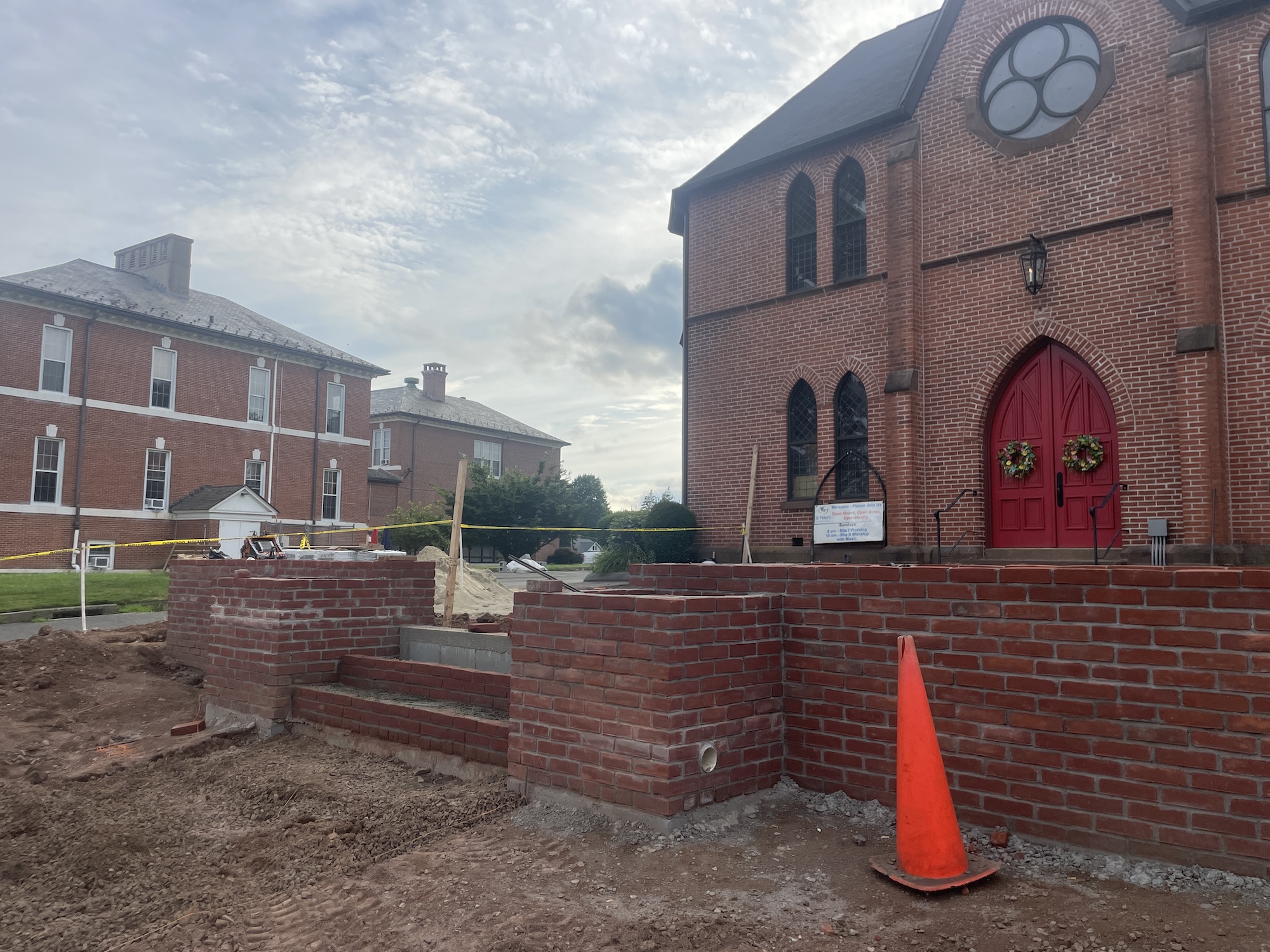
St. Peter’s Front Patio Project July_3 2025
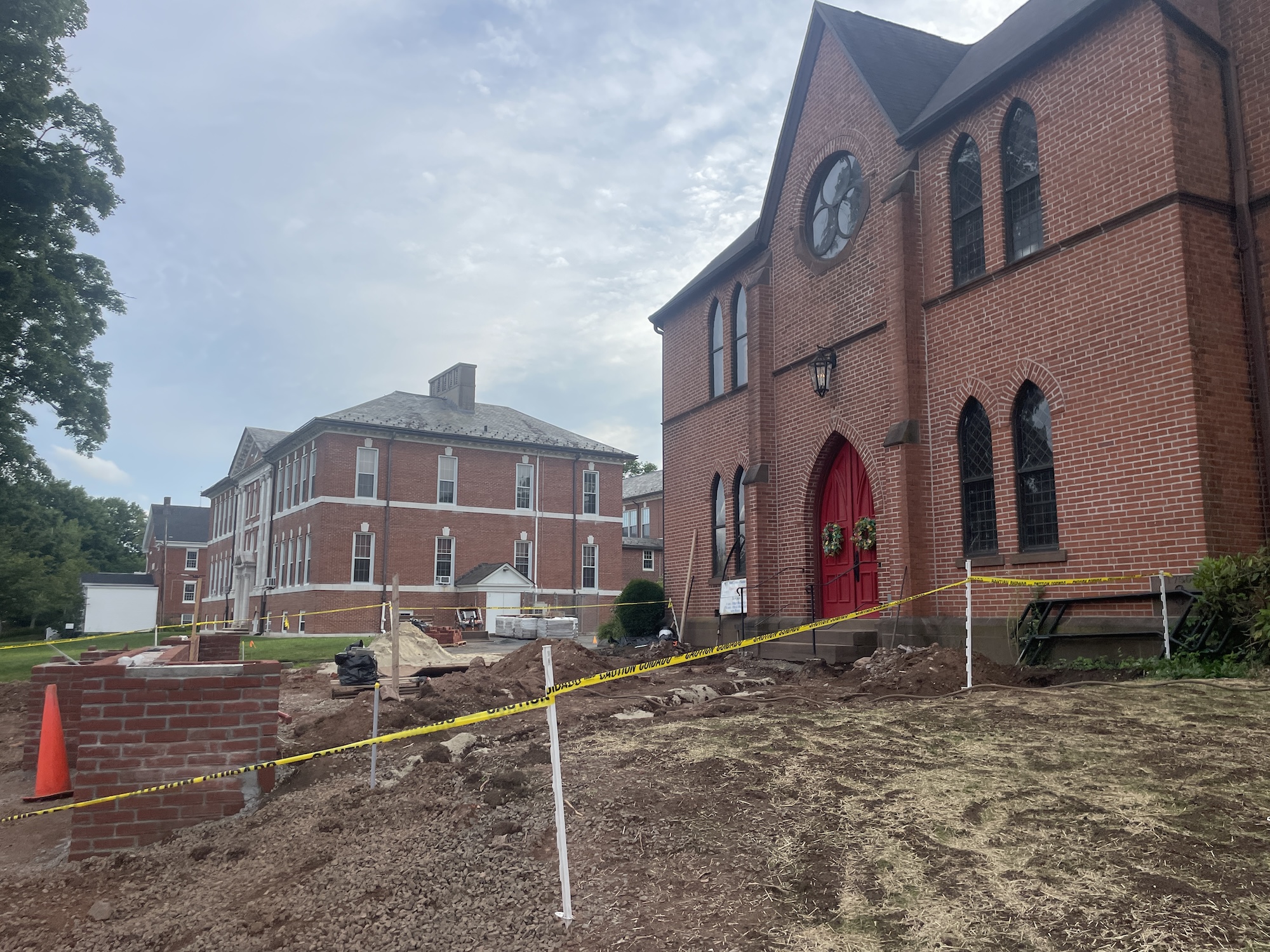
St. Peter’s Front Patio Project July_7 2025
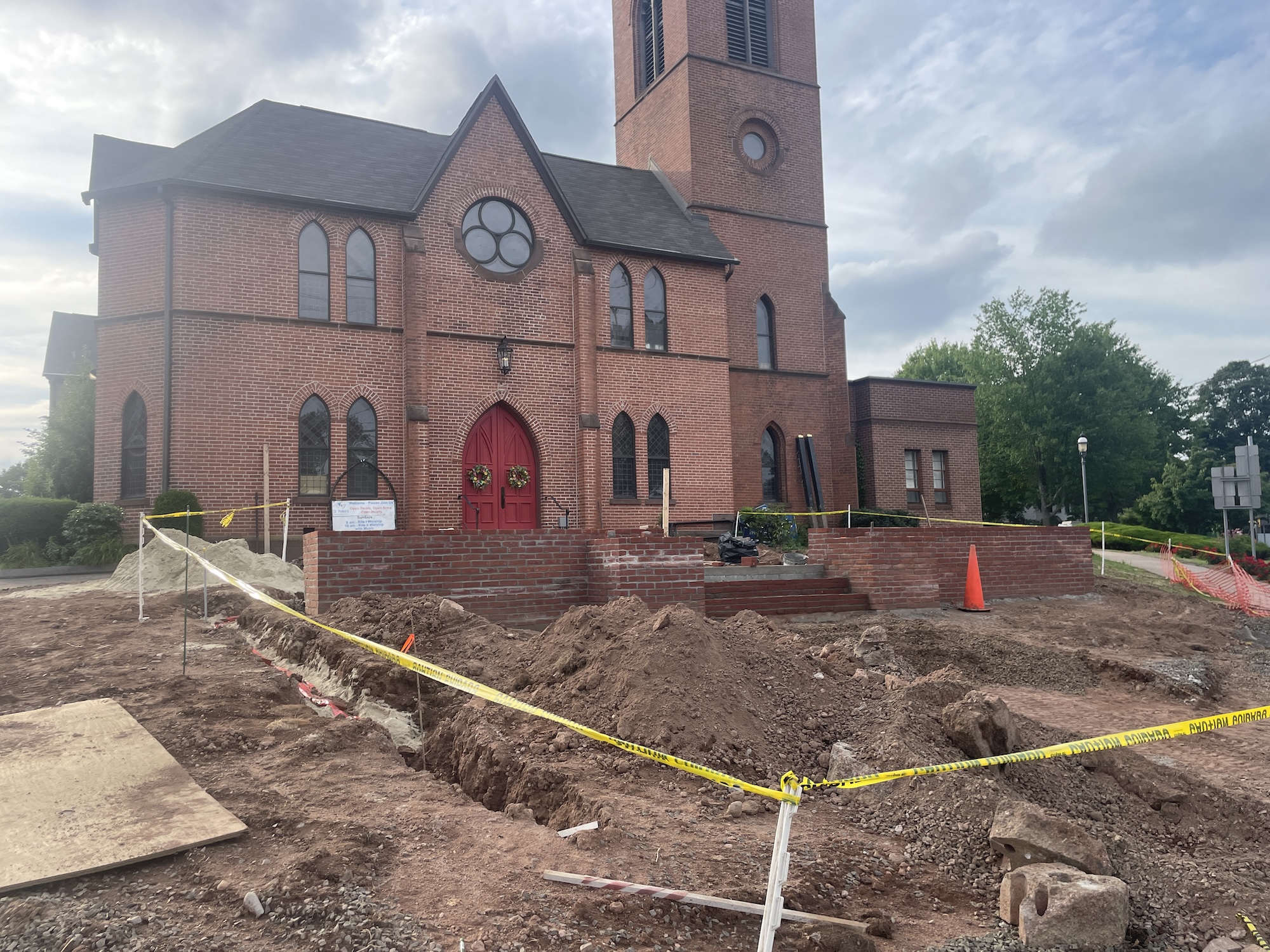
St. Peter’s Front Patio Project July_8 2025
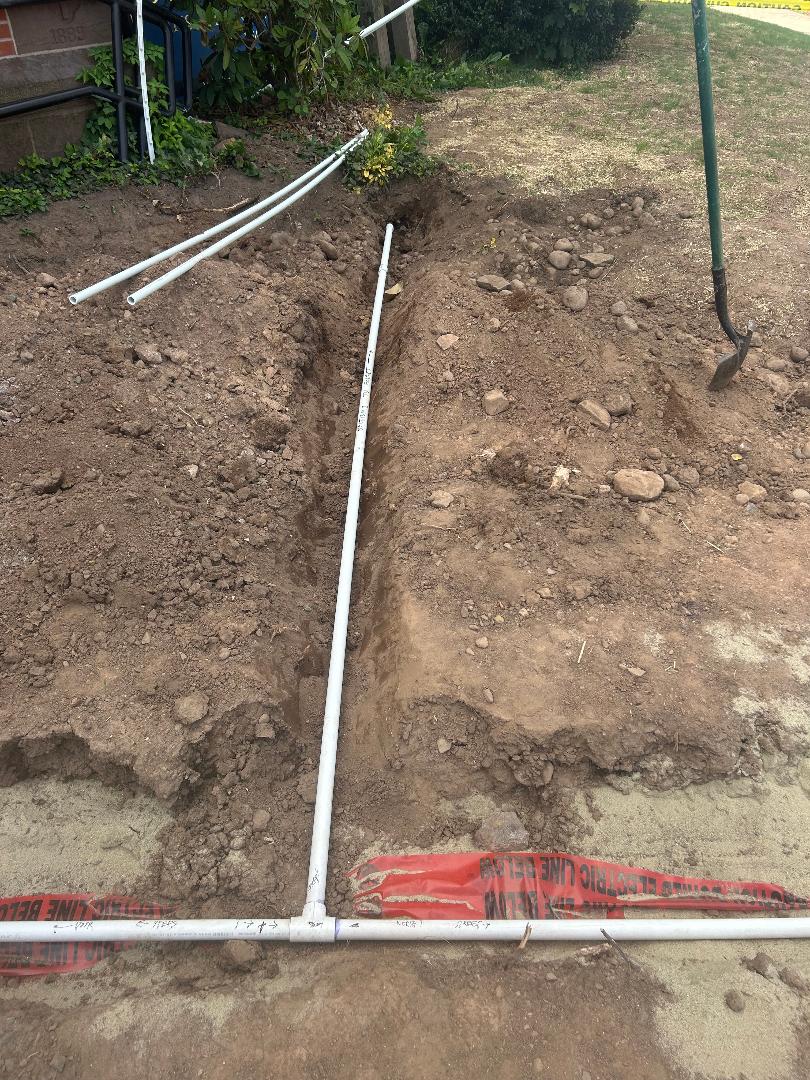
front water pipe extension
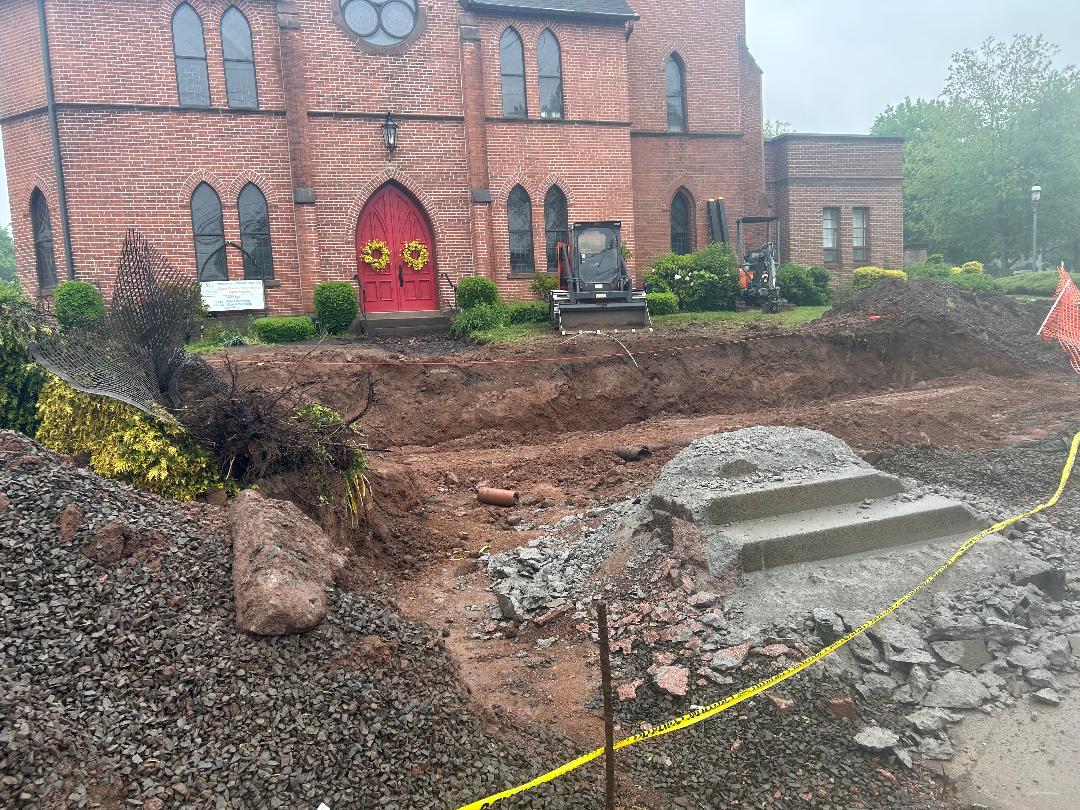
front step demolition
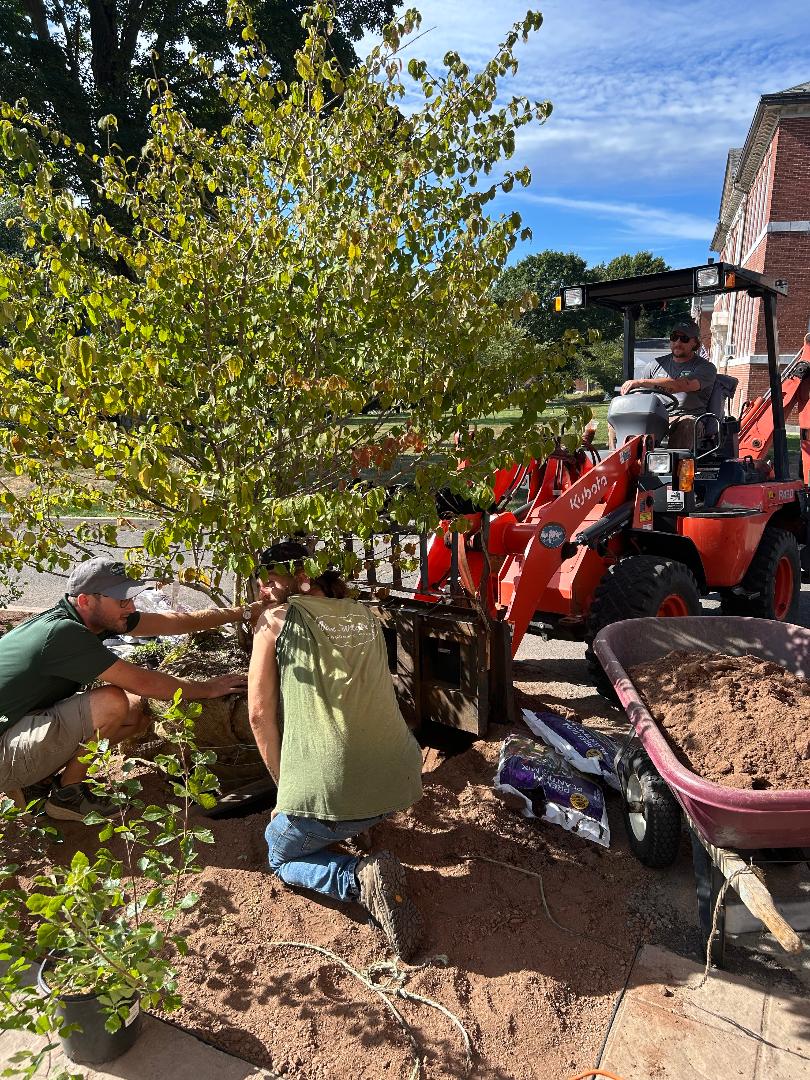
front viburnum planting
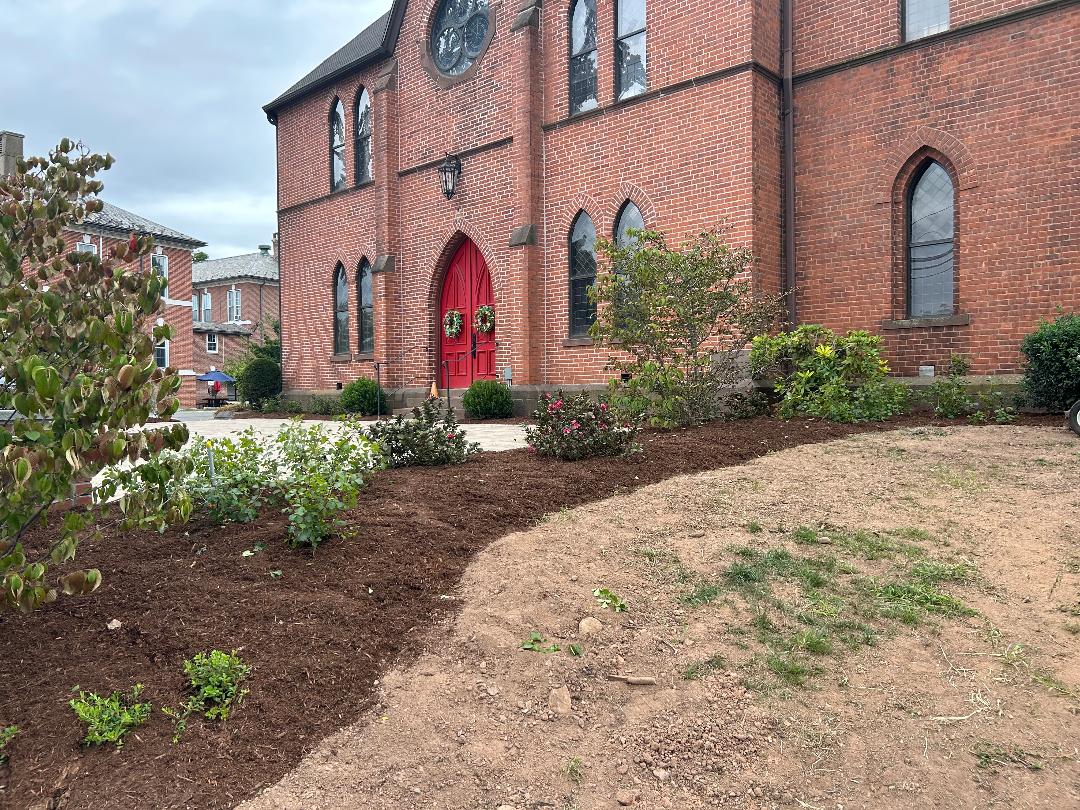
front plantings no sod
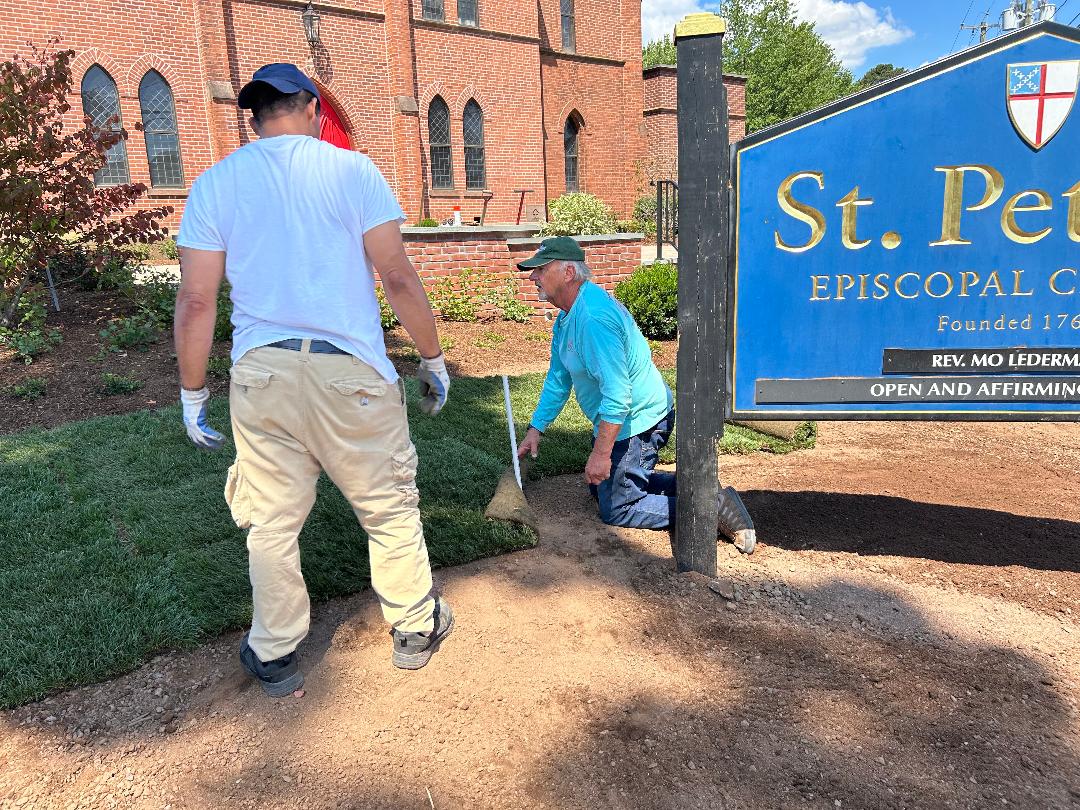
front laying sod
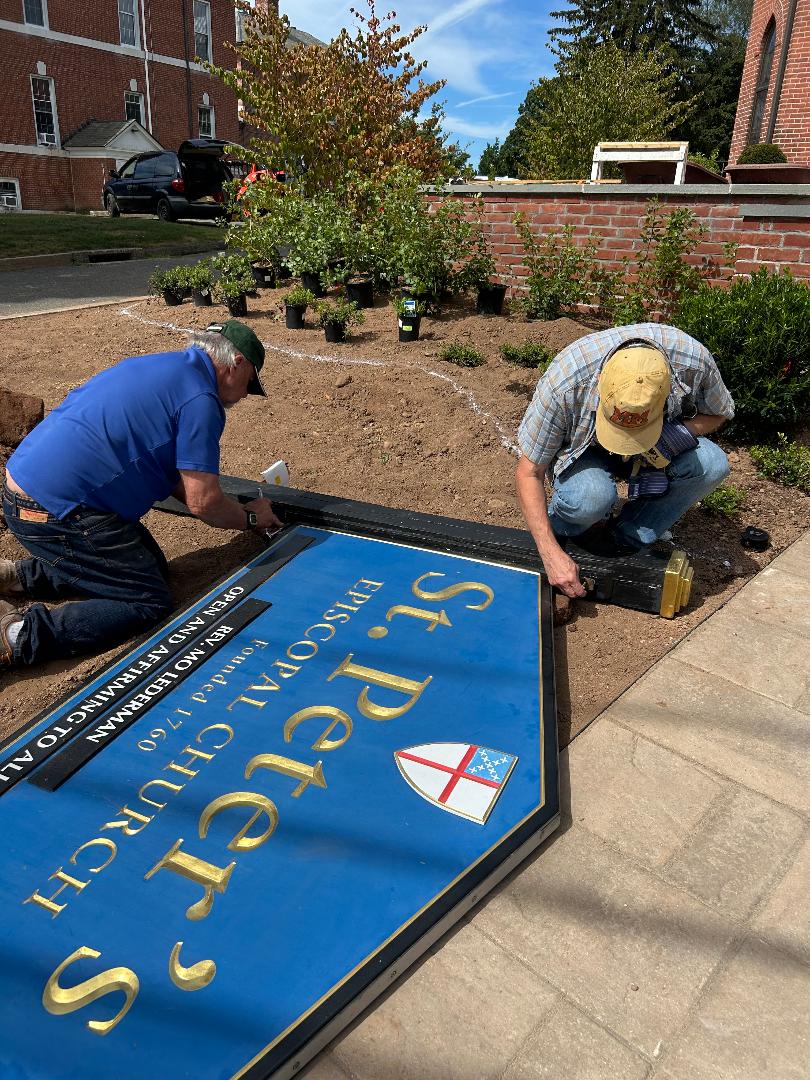
front sam john sign
church front evening
Patio with pumpkins